
Events
The 2nd Conference on Innovative Chemistry and Chemical Biology
Date: October, 1st – 2nd , 2026
Location: Corpus Christi Chapel, Olomouc, Czech Republic
The Second Innovative Chemistry Conference brings together leading researchers and innovators in chemistry and chemical biology to exchange ideas and explore cutting-edge technologies shaping the future of discovery science. The scientific program will focus on peptide drugs and advanced peptide modification, miniaturized ADE-based synthesis and screening technologies, multicomponent reaction (MCR) chemistry for new drug modalities, and its applications in materials science. The congress provides an inspiring and interactive environment for scientific discussion, knowledge exchange, and new collaborations.
Professor Andreas Brunschweiger
Synthesis and screening of DNA-encoded macrocycle libraries
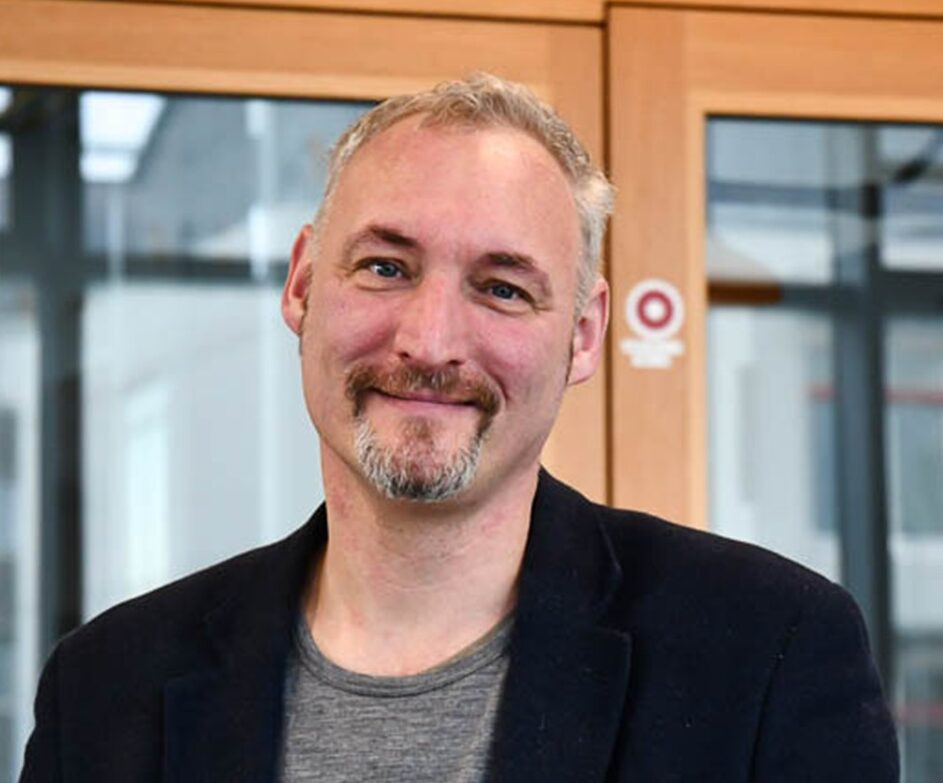
DNA-encoded libraries (DELs) are an exciting technology that enables screening ultra-large combinatorial collections of drug-like compounds on biological targets. However, synthesis methodology for library design is seriously limited to very few reactions due to the reactivity of DNA, aqueous co-solvents to dissolve DNA-tagged starting materials and the combinatorial workflow. We have developed a chemically more robust, yet fully functional genetic tag for DNA-encoded library synthesis and a polymeric solvent additive that solubilizes DNA tags in apolar, dry organic solvents such as dichloromethane, chloroform, and co-solvents. This combination of a more robust tag and a broader choice of solvents enabled high-yielding isocyanide multicomponent reactions (IMCRs) and ruthenium-promoted ring-closing metathesis (RCM) reactions with a broad reactant scope on DNA-tagged starting materials. During the synthesis of a 500.000-membered DNA-encoded library of macrocycles by RCM chemistry we established a workflow to produce sizable DELs in our laboratory. Successful screening of this DEL on targets demonstrated the functionality of the barcoding strategy and the compatibility of ruthenium catalysis with the DNA tag. The macrocycle DEL is part of a growing academic compound screening resource.
Bernhard Westermann
Phytoceramides – Scaffold Diversification and Applications as Adjuvants
Adjuvants are necessary requirements for improving the performance of vaccines. α-Galactosylceramides (α-GalCer, e.g. KRN7000) have attracted particular interest due to their ability to activate iNKT cells and and B cell activation. Although the structure of this glycolipid, which originates from the marine natural product Agelasphin, has been extensively studied and modified to broaden its adjuvant properties, the modifications seem to be rather limited. This restricts the potential discovery of new applications. Here, we present the use of multicomponent reactions to extend the chemical space of glycolipids beyond the classical modifications. For the first time, we show that the amide linkage is a suitable diversification point for the introduction of a variety of moieties that allow the modulation of adjuvant properties. We will also present diversifications of proteins by multi-component reactions, which may be considered as bioconjugate ligation methods.
Jacek Plewka
Small Molecule LAG-3 Inhibitors Synergize with Anti-PD-L1 Therapy in Cancer Immunotherapy
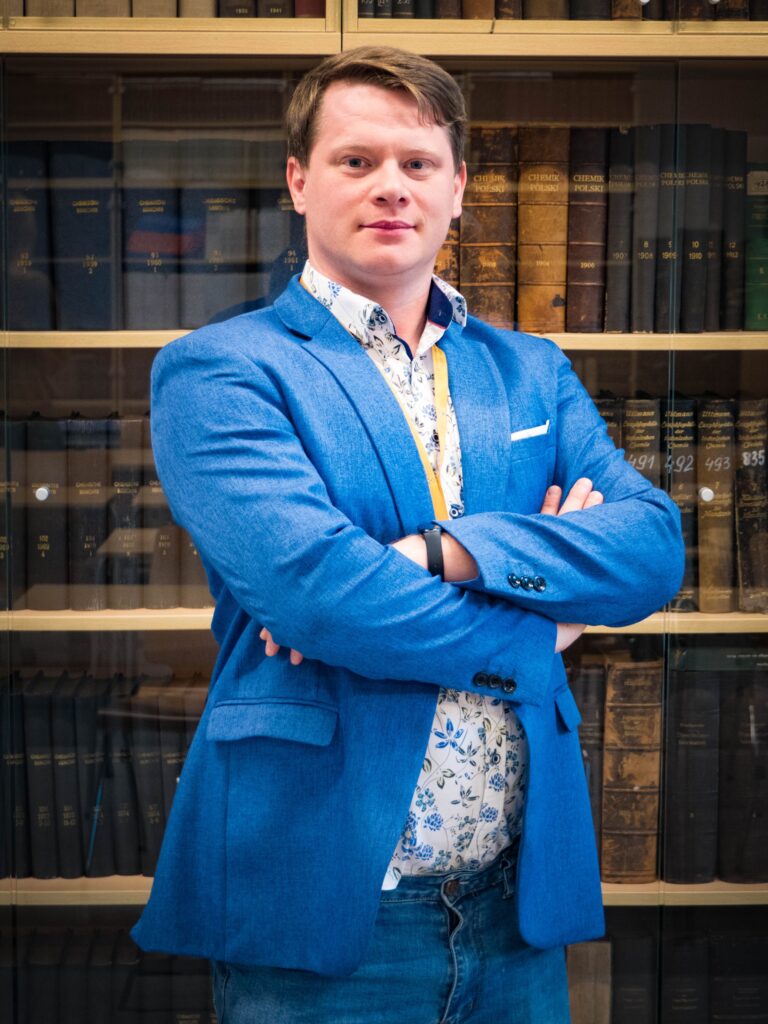
Immune checkpoint blockade has transformed cancer treatment; however, many patients exhibit limited or transient responses to current therapies. LAG-3 has emerged as a promising immunotherapeutic target that cooperates with the PD-1/PD-L1 axis in mediating T-cell exhaustion and tumor immune evasion. While most clinical approaches rely on monoclonal antibodies, small molecule inhibitors offer attractive advantages, including improved tissue penetration, lower manufacturing costs, and greater flexibility for combination therapies. In this presentation, I will discuss our efforts toward the discovery and characterization of novel small molecule inhibitors targeting LAG-3. Particular attention will be given to the synergistic effects observed when these compounds are combined with anti-PD-L1 treatment. I will present structural, biophysical, and biological data supporting the mechanism of action of these inhibitors, including promising in vivo results demonstrating enhanced antitumor efficacy in mouse models following co-administration with anti-PD-L1 therapy. These findings highlight the potential of small molecule immune checkpoint modulators as next-generation agents for combination cancer immunotherapy.
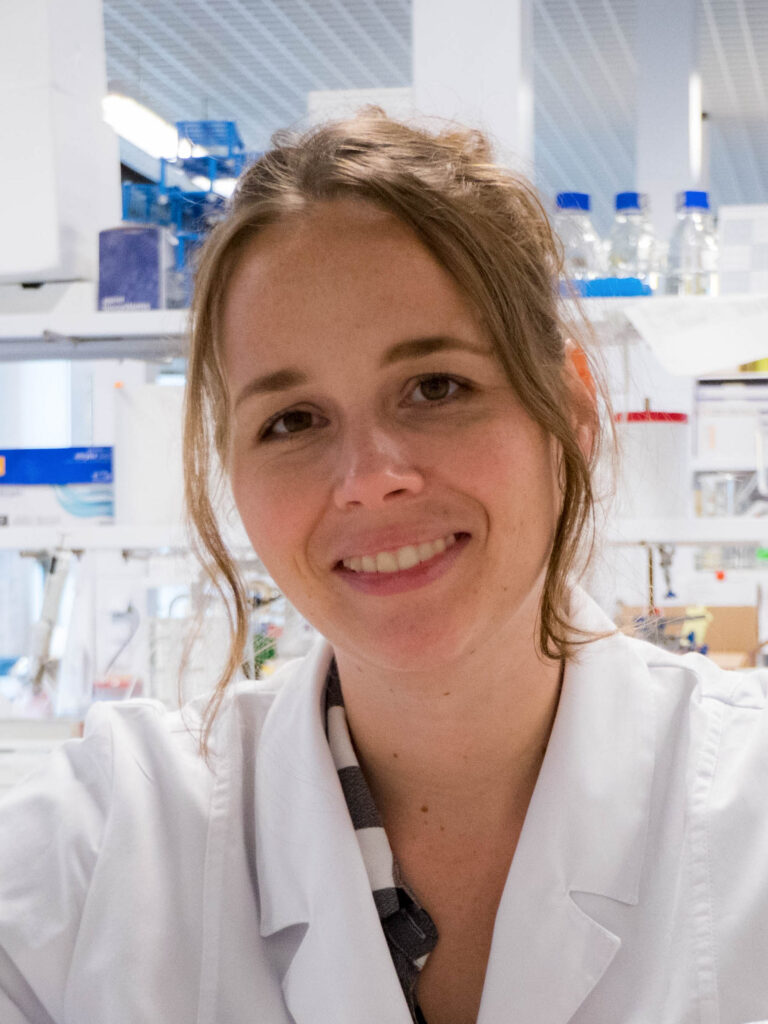
Katarzyna Magiera-Mularz
Beyond binding: structural biology and NMR insights into protein modulation
Understanding how small molecules influence protein function requires approaches that capture both molecular interactions and changes in protein behaviour. Structural methods provide information on ligand recognition and complex architecture, while NMR spectroscopy allows investigation of conformational changes, dynamics and interactions in solution.This lecture will present examples illustrating how structural biology and NMR can be combined to characterize different modes of protein modulation by small molecules.1-3 Studies on PD-L1 ligands will demonstrate how these approaches distinguish between compounds that induce protein oligomerization and those that modulate the target through alternative mechanisms.The second part will focus on targeted protein degradation and the development of an NMR-based strategy to investigate PROTAC complexes. Since degrader activity depends on the formation and properties of multi-component protein assemblies, understanding their dynamics may provide additional mechanistic information beyond binding affinity alone.The integration of structural, biophysical and cellular approaches offers a framework for connecting molecular mechanisms with functional outcomes in drug discovery.
Matthew Groves
Beyond billosteric Inhibition in Aspartate Transcarbamylase: Applications from malaria to herbicidesnding: structural biology and NMR insights into protein modulation

Pyrimidine biosynthesis is an essential function in all living cells and is supported by two distinct pathways: de novo synthesis and salvage. Different cell types are more dependent upon different pathways, but generally rapidly dividing cells are dependent on de novo synthesis. Aspartate transcarbamylase catalyses the first committed reaction in this pathway and is therefore an attractive drug target for multiple systems. However, the current ATCase gold standard inhibitor is a transition state mimic and has limited selectivity between human and pathogens. In this talk, I will describe the discovery of a new allosteric inhibitor of ATCase and its potential in multiple disease systems and as a herbicide.
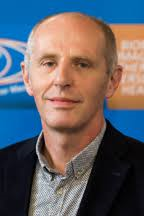
Prof. Philip H. Elsinga
Challenges in synthesis of 18F-tracers for Positron Emission Tomography
Positron Emission Tomography (PET) is a powerful molecular imaging modality that allows the non-invasive visualization and quantification of biological processes in living subjects through the use of radiolabelled compounds. Among the available radionuclides, fluorine-18 (18F) is the most widely employed because of its favourable physical characteristics, including a half-life of approximately 110 minutes, a high positron emission yield, and the excellent image resolution it provides in PET studies. These properties have made 18F the radionuclide of choice for both clinical and research applications. Despite the growing demand for novel PET tracers, their development remains a slow and resource-intensive process. Current workflows rely heavily on manual radiosynthesis, iterative optimization, and empirical decision-making, requiring substantial human expertise and intervention. Moreover, radiochemical research presents unique challenges, including the need to work safely with radioactive materials, the handling of minute quantities of radiolabelled compounds, and the strict time constraints imposed by radionuclide decay. A key factor determining the successful development of new PET tracers is the availability of robust radiolabelling methodologies. Ideally, an 18F-label should be introduced at virtually any position within a biologically active molecule, enabling rapid exploration of new imaging agents. However, technical limitations in radiochemistry continue to restrict this flexibility, making the development of innovative labelling strategies a major priority and persistent bottleneck in the field.
Shabnam Shaabani
Drug Discovery Acceleration by Automated Chemistry and Direct to Biology
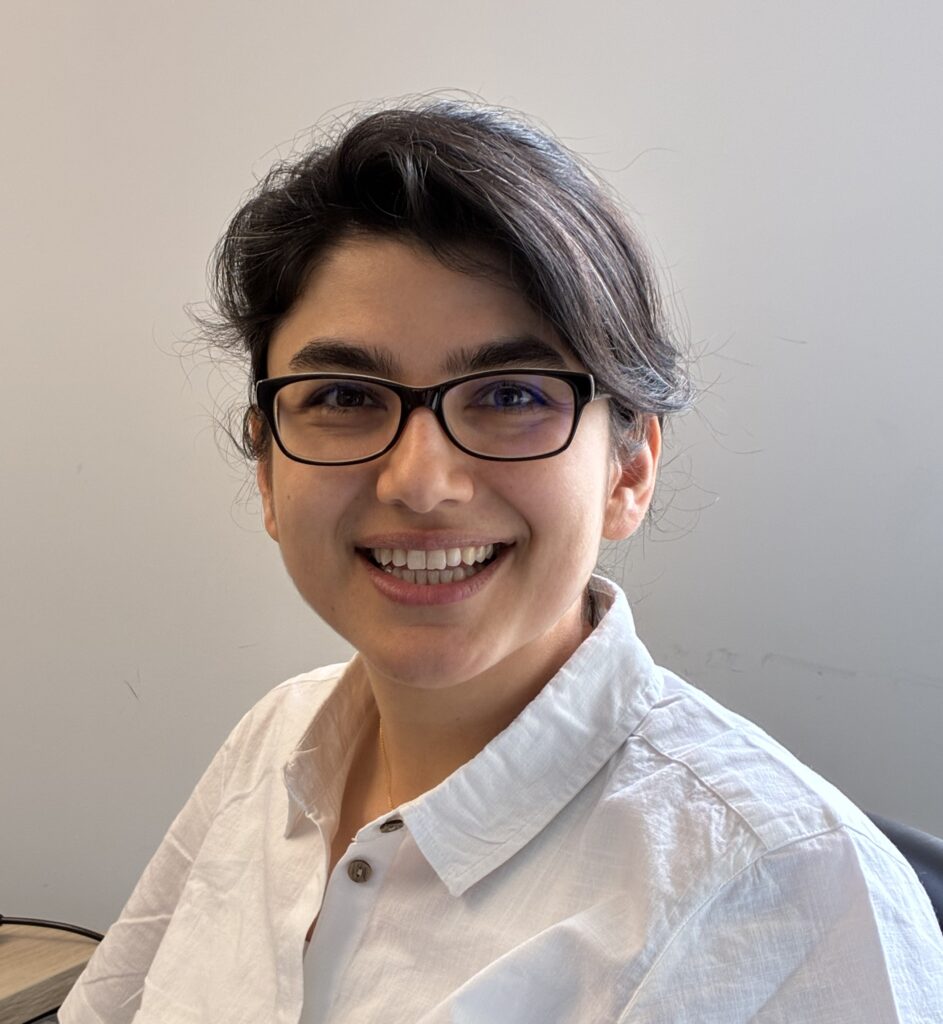
Automation, miniaturization, and downscaling of synthetic chemistry not only accelerate the “make” phase of the Design Make Test Analyze (DMTA) cycle but also improve the sustainability of chemical processes. The Direct to Biology (D2B) approach enables the testing of crude chemical reaction mixtures directly in biological assays, bypassing time consuming purification steps. Combining automated and miniaturized synthesis with D2B and AI driven design is an emerging field, currently experiencing a renaissance in the era of big data and artificial intelligence, enabling faster discovery of novel drug candidates. This integrated approach accelerates DMTA cycles and enhances environmental sustainability by increasing efficiency and reducing waste.Details of our technology platform at the Automated Medicinal Chemistry (AMC) lab at Bayer Pharma in Berlin will be presented describing plate based chemistry, automated purification, automated quantification, and a reformatting unit to enable the delivery of diverse libraries of test compounds – both purified and unpurified – in assay ready plate formats.
To better support portfolio projects, we continuously expand the accessible chemical reaction space, from Suzuki and Buchwald reactions to multi step macrocycle derivatization.
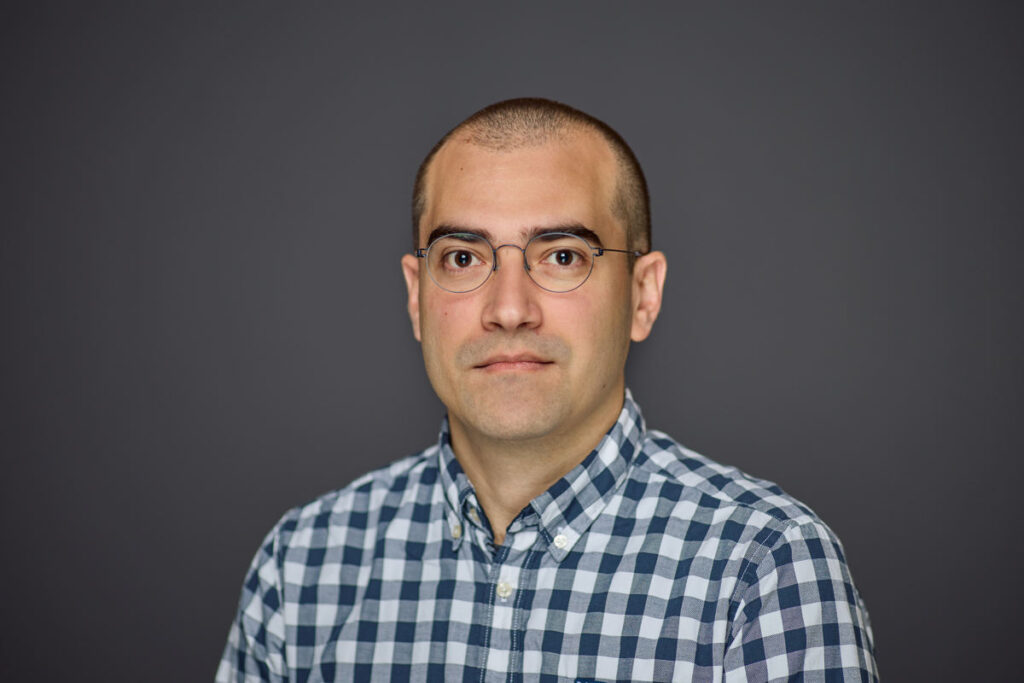
Tryfon Zarganis-Tzitzikas
Developing GAL3 Degraders for the Treatment of Alzheimer’s Disease
Galectin-3 (Gal3) is a secreted lectin upregulated in microglia associated with Alzheimer’s disease (AD) pathology, where it acts as an endogenous ligand for TREM2 and promotes proinflammatory signalling and amyloid-β (Aβ) aggregation. Gal3 has been implicated in neuronal injury in several neurodegenerative and injury models, though its effects on neuronal survival appear context-dependent. Genetic deletion or pharmacological inhibition of Gal3 has been shown to attenuate microglial activation and reduce Aβ burden in AD mouse models, suggesting Gal3 as a candidate therapeutic target. We hypothesise that inhibiting Gal3–TREM2 binding, or degrading intracellular Gal3 to prevent its secretion, will reduce microglial-driven inflammation and preserve microglial homeostasis, representing a potential therapeutic strategy in AD.
Dinos Neochoritis
From Molecular Diversity to Function and New Modalitieseration by Automated Chemistry and Direct to Biology
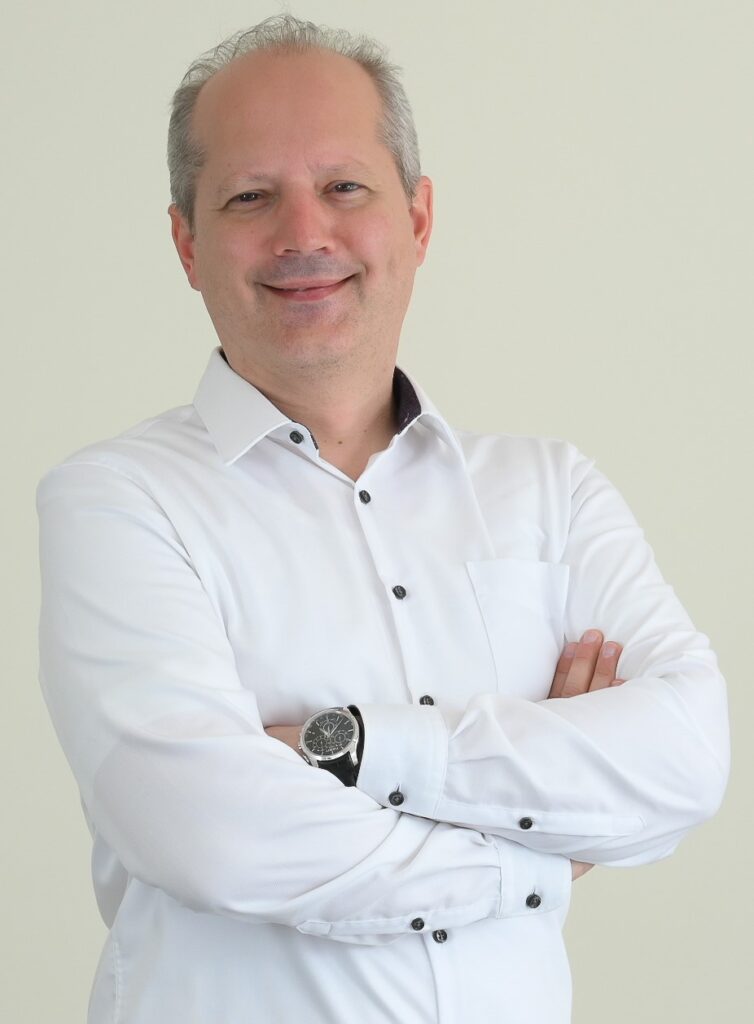
It is truly remarkable to witness how Multicomponent Reactions (MCRs) have evolved and found their unique place in the world of organic chemistry. Once considered unconventional “outcasts” whose beauty and potential were not fully appreciated, MCRs have emerged as powerful platforms for generating molecular diversity, exploring chemical space, and rapidly constructing complex functional architectures. What fascinates us most is their remarkable ability to continuously adapt as new frontiers emerge in chemistry. MCRs are not confined to a particular era or application; they continue to find opportunities across many of the trends shaping modern chemistry, from drug discovery and chemical biology to atropisomerism, molecular glues, PROTACs, materials science, biocatalysis, electrochemistry and mechanochemistry.
In this talk, I will present how our research exploits MCRs not simply as synthetic tools, but as platforms for molecular discovery. I will highlight our efforts to develop new reaction manifolds, access structurally and stereochemically complex molecular architectures, explore biological function and ultimately connect molecular diversity with emerging therapeutic modalities. The journey is therefore not only about making more molecules, but about discovering what these molecules can do.
Valtice Workshop 2026
25th – 28th May 2026 · Session Descriptions
Monday 16:00 – 17:00
Commercializing IP: The Endless River
Thomas Loesser — LG Tech Capital Management GmbH, Munich
What does it take to turn cutting-edge science into a global biotech success story? Thomas Loesser and Dietmar Forstmeyer’s journey began at Morphochem, a venture-backed startup with a bold mission: create novel small molecules that could change medicine. Backed by a world-class international venture capital syndicate, the team built a rich IP portfolio — one that Dietmar carefully stewarded through every deal and corporate restructuring.
When Morphochem’s business units separated, the core research team pressed on, developing small molecule therapies for neurodegenerative diseases. But funding was running dry — until Thomas stepped in with a bold, unconventional solution: an equity-based licensing deal that gave birth to Neuron23, Inc. in San Francisco. That single creative move, made possible only through years of rigorous IP management, has since generated over $380 million in value.
And the river keeps flowing. In December 2025, a spin-out of the spin-out — Sundance Biosciences — launched with significant backing from existing Neuron23 investors. This session is a masterclass in long-term IP thinking: how patient, strategic deal-making can transform laboratory discoveries into lasting commercial empires.
Monday 17:00 – 18:00
The CMC Continuum: An Introduction to Phase-Dependent Regulatory Expectations
Walfrido Antuch — fmr. F. Hoffmann-La Roche, Basel
Getting a promising molecule from the lab bench to a Phase 3 pivotal trial is one of the most complex journeys in drug development — and Chemistry, Manufacturing, and Controls (CMC) is the backbone that holds it all together. In this session, Walfrido Antuch draws on deep industry experience to map out how CMC requirements transform as a program matures.
From the relative freedom of preclinical research to the stringent quality and scale standards that define late-stage development, every step demands a new level of rigor. This high-level overview will spotlight the critical milestones a molecule must hit before it can enter the clinic — helping researchers and innovators understand not just the science, but the strategic and regulatory landscape that shapes every successful drug program.
Monday 18:00 – 19:00
From Invention to Innovation
Jiri Navratil — UPOL, TTO
A groundbreaking discovery sitting in a lab drawer is not an innovation — it’s a missed opportunity. This session with Jiri Navratil is a practical roadmap for researchers who want to see their work make a real-world impact.
Participants will be guided through the key steps that bridge invention and innovation: identifying results with genuine commercial potential, assessing market readiness, engaging early adopters, and choosing the right path forward — whether that means licensing to an established player or founding a spin-out of your own. If you’ve ever wondered how science becomes a product, this talk is your starting point.
Tuesday 9:30 – 10:30
Introduction to and Advanced Strategic Patenting
Dietmar Forstmeyer — Patent Lawyer, Boeters & Bauer, Munich
Patents are not just legal documents — they are strategic assets that can make or break a company’s future. Dietmar Forstmeyer, whose IP work has underpinned deals generating hundreds of millions of dollars, brings both legal rigor and real-world business insight to this essential session.
Beginning with the fundamentals of how patents and patent applications work, Dietmar moves through the key considerations every innovator should know before filing — and reveals the principles behind truly effective patent strategy. Whether you are protecting your first invention or managing a complex IP portfolio, this session will sharpen the way you think about intellectual property.
Tuesday 10:30 – 11:30
Preparing a Biomedical Discovery for Venture Capital
Andrew Hladky — IP Lab Ventures, Prague
Investors see hundreds of pitches. What separates the ones that raise institutional capital from the ones that don’t? Andrew Hladky, an early-stage deep-tech investor, pulls back the curtain on how biomedical spin-outs are really evaluated.
This session examines the signals that indicate a company is ready — and the red flags that quietly kill deals before they start. From IP structure and founding team dynamics to equity arrangements, milestone planning, and capital strategy, the decisions made at formation stage have long shadows. This is the talk to attend before you approach your first investor.
Tuesday 18:00 – 19:00
Case Study & Practical IP Commercialization at UP/CATRIN
Roman Jurecka — TTO, UPOL; CEO of Iron Analytics, Olomouc
How does a university actually turn research into commercial reality? Using the evolution of Mössbauer spectrometers at Palacký University as a vivid, concrete case study, Roman Jurecka maps the full journey — from the spark of an idea to a viable commercial exit.
This session navigates the internal processes that researchers often overlook: IP disclosures, feasibility assessments, conflict-of-interest management, and the fundamental choice between licensing and spin-off creation. Strategic frameworks including Technology Readiness Levels (TRL), the “Valley of Death,” and the Innovation Ecosystem are brought to life in the UP/CATRIN context, giving participants a directly applicable toolkit for their own commercialization journeys.
Wednesday 9:30 – 10:30
Protyon: The Journey
Matthew Groves — Professor and Founder of Protyon BV, Groningen
Some startup stories are polished for the pitch deck. This one is told with hard-won honesty.
Protyon (www.protyon.tech) was born from a chance meeting at an entrepreneurship workshop — a collaboration between the University of Groningen and the University Medical Centre Groningen, aiming to guide clinicians in choosing the right medication when patients develop resistance mutations in disease-driving proteins. What followed was a period of intense excitement and real disappointment, full of decisions made, mistakes made, and lessons learned the hard way.
Matthew Groves will walk through it all: building the right team, finding your “hero,” the myths and realities of pitch decks, when and why to seek investors, navigating legal and licensing hurdles, knowing when to pivot, and bridging the gap between technology and the messy real world. This is the session where theory meets the unfiltered truth of startup life.

A Scene Set for Molecules and Minds
The 1st Conference on Innovative Chemistry and Chemical Biology
Date: October, 1st – 2nd
Location: Corpus Christi Chapel, Olomouc, Czech Republic
In the heart of Moravia, behind the baroque walls of a chapel built centuries ago for contemplation,
a different kind of gathering will take place.
Not of monks. Not of pilgrims. But of chemists, biologists, and builders of molecular futures.
The 1st Conference on Innovative Chemistry and Chemical Biology is no ordinary event. It is a closed expert meeting, designed for those who ask different questions and challenge the boundaries between disciplines. It will take place in Olomouc, a city known for its academic soul and quiet power, inside the Corpus Christi Chapel — a space where science and silence speak the same language.
What Will Be Discussed?
From across Europe — the Netherlands, Germany, Italy — minds are gathering to explore:
Multicomponent reactions that build more by combining better automation and miniaturization in chemistry — doing smart science at smaller scales
Next-generation proteomics and molecular tools, Covalent probes, orthogonal reactions, and new strategies to understand the language of disease
No buzzwords. No crowds. Just focused work, shared in confidence and dept
For Those Attending
While the event is by invitation only, practical details remain important:
Language: English, Spanish,
Accommodation: Hotels in Olomouc fill quickly in autumn — advance booking is strongly recommended.
Find hotels » booking
A Note for the Record
This conference is organized under the leadership of Professor Alexander Dömling, with support from CATRIN, Palacký University, and forms part of broader research activities aligned with EU-supported innovation in chemistry and biology.
It’s a quiet stage. A sharp spotlight.
Partners:
AMEDIS delivers instruments and services for organic compounds synthesis, purification, and analysis. Techniques include microwave synthesis, flash chromatography, preparative chromatography, GC, GC/MS, GC/VUV, HPLC, LC/MS/MS, Raman spectrometry, benchtop NMR, from famous brands SCIEX, Scion, ECOM, CDS Analytical, VUV Analytics, ISCO, CEM, Oxford Instruments. www.amedis.cz
Accelerator Summer school
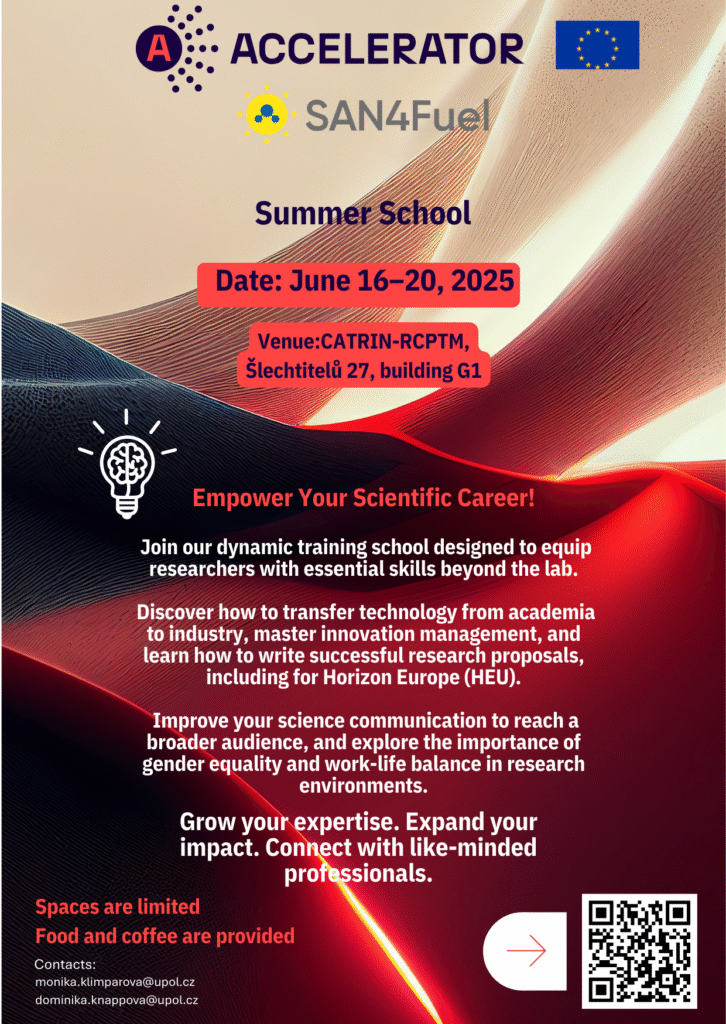
Accelerator Summer School, June 16–20, 2025, CATRIN-RCPTM, Holice campus
CATRIN, as part of the ERA Chair–Accelerator and San4fuel project, is organizing a summer school for students of Palacký University engaging primarily in science but also in humanities. We’ve prepared a five-day programme packed with interesting workshops and lectures. It’s aimed at everybody who wants to get new insights into technology transfer or innovative management. But not only these, we’ll also touch upon topics like work-life balance or how to write a successful project proposal. On top of that, we’ll equip you with new English-language skills, so that you’ll be able to create a really good scientific presentation and communicate your science in general. All the lectures will be delivered in the English language.
There’s no registration fee! Lunch and coffee breaks are included. The capacity is limited. If you want to apply, you can do it here.
Time: From Monday, June 16th to Friday, June 20th. You can do the whole week or only selected days
Venue: CATRIN-RCPTM, Šlechtitelů 27, Olomouc-Holice, budova G1.
1st Innovative Drug Discovery Symposium
Date: May, 5th – 8th
Location: Mikulov, Czechia, Hotel Galant

The Face of Modern Drug Discovery The field of modern drug discovery is advancing at an unprecedented pace. Innovative approaches are not only accelerating early-stage discovery but also enabling the development of novel, cutting-edge therapeutic modalities that are approaching market readiness. Targets previously considered "undruggable" are now within reach, thanks to transformative techniques such as PROTACs, molecular glues, protein-protein interaction (PPI) antagonists, and advancements in modified peptides and nucleotides. A crucial step in medicinal chemistry is hypothesis generation, where the structural specifics of a target are analyzed to identify potential small molecules that can bind and modulate its activity. To support this process, a cheat-sheet-style lecture on intermolecular interactions will serve as the foundation for a hands-on crash course in hypothesis creation for small-molecule target interactions. The symposium will also feature short student presentations on drug discovery topics, as well as insight lectures to provide a deeper understanding of the evolving landscape of therapeutic innovation.
Kick-off Meeting
The kick-off meeting’s primary goal was to introduce the ACCELERATOR project activities in a number of steps targeting different interest groups. The whole event started off with a Ceremonial Opening introducing the project objectives to an audience composed of scientists from the CATRIN research institute. A significant proportion of the audience was created by Palacký University representatives, representatives of the regional government, and potential industrial partners from pharmaceutical companies.
The meeting was opened with a short speech made by the General Director of CATRIN, Pavel Banáš. Pavel Banáš introduced Alexander Dömling to the audience, alongside describing the expected benefits this collaboration should bring during the course of the five-year implementation and accenting the interdisciplinarity of the ERA Chair grant. One of the missions of the ACCELERATOR project is to interconnect the three CATRIN’s divisions (RCPTM, CRH, IMTM). Prof. Dömling continued to provide more details about his research history, also outlining the major goals of his project. The other CATRIN major representatives that followed up on Prof. Dömling’s talk were Prof. Radek Zbořil (CATRIN-RCPTM), the Founding Director of RCPTM, who explained the ACCELERATOR’s interconnections with nanotechnologies. Marián Hajdúch from CATRIN-IMTM introduced the project collaboration from the perspective of biomedicine and Lukáš Spíchal (CATRIN-CRH), one of the most prominent CRH’s researchers, explained the project goals from the standpoint of biotechnologies.
The programme continued with a tour of the RCPTM and CRH laboratories. This part of the programme was aimed at participants who had never been introduced to CATRIN’s research before. The tour was guided by Prof. Zbořil and dr. Spíchal. The audience were taken to different labs and were explained to how the ACCELERATOR research will be implemented in general and what each part of the CATRIN Institute will do in relation to the project.
In the afternoon, the programme continued with a presentation by the Project Adviser, the European Commission. This presentation was aimed at CATRIN’s management/administration staff members that will be either directly or indirectly responsible for implementing the project, in compliance with the set rules, as well as at the particular researchers participating in the project activities.
The last part of the programme was dedicated to scientific talks addressing the future research in detail.
This part was aimed at researchers from the participating CATRIN divisions. Alexander Dömling introduced the concept of Innovative Chemistry in greater detail, targeting colleagues he will be mostly collaborating with. Marián Hajdúch took a close look at biomedicine and the interconnection with the ACCELERATOR project. Lukáš Spíchal summarized the major goal as an expert in biotechnologies. Radek Zbořil explained into detail how this project will be implemented from the perspective of nanotechnologies. Pavel Banáš provided overview of the project Work Packages, Milestones and Deliverables, also setting internal deadlines for meeting all the specified requirements.

